


Amyotrophic Lateral Sclerosis (ALS)
An ALS diagnosis can feel crushing. You do not have to face it without hope, and you do not have to face it alone.
Understanding Amyotrophic Lateral Sclerosis
Amyotrophic lateral sclerosis, often called ALS or Lou Gehrig's disease, is a progressive condition that affects the motor neurons in the brain and spinal cord. These are the nerve cells that control the muscles you move by choice.
As motor neurons are lost, the muscles they control weaken. ALS often begins in the hands, feet, arms, or legs, or with changes in speech or swallowing, and it gradually affects more of the body over time.
Few words land as hard as a terminal diagnosis. Many people leave the neurologist's office feeling demoralized, with a plan focused on managing decline. That response is understandable, and your feelings are valid.
We believe there is reason for hope. ALS involves dysfunction in many parts of the body, not just the nerves. That means there are many places to look, and many ways to support your body, your function, and your quality of life.

Common Signs and Symptoms
ALS looks different from person to person. Common signs include:
Root Causes We Look For
The exact cause of ALS is not fully understood. We look for factors that place added stress on the nervous system and on the body as a whole.
A Comprehensive Approach to Dysfunction in the Body
We believe any path toward improvement requires a comprehensive approach to dysfunction throughout the body. No single treatment can do it alone.
Your care begins with a thorough evaluation, including bioenergetic testing, lab work, and an in-depth conversation about your history and goals. From there, we build an individualized plan. Depending on your needs, your journey may include:
- Ondamed PEMF Therapy
- Stem cells
- IASIS Neurofeedback
- Metabolic Resuscitation
- Plasmalogen Therapy
- Gut repair
- Peptide therapy
- EVOX Perception-Reframing Therapy
We work alongside your neurologist and your other providers. Please do not stop or change any prescribed medicine without talking with the provider who prescribed it.

A Diagnosis Is Not the End of Your Story
We will walk this road with you, look for every reasonable way to support your body, and treat you as a whole person.
Services That May Be Part of Your Journey
 Service
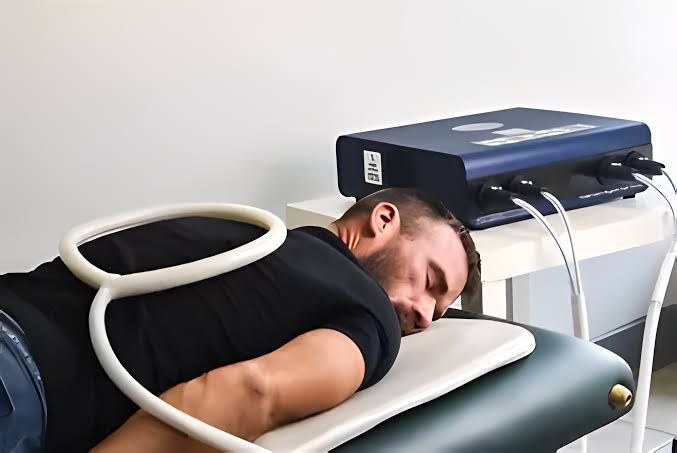
Ondamed PEMF Therapy
Gentle electromagnetic pulses that may help support circulation, cellular energy, and a calmer inflammatory response.
Learn More
 Service
Stem Cells
Umbilical cord derived biologics that carry signals involved in tissue repair. Not FDA-approved to treat any disease.
Learn More
 Service
IASIS Neurofeedback
Gentle microcurrent signals that help the brain move out of stuck patterns, with no effort required on your part.
Learn More
 Service
Metabolic Resuscitation
A personalized program focused on your body's metabolism.
Learn More
 Service
Plasmalogen Therapy
Testing and targeted plasmalogen support to help your cells keep healthy membranes, support healthy cellular function, and help reduce inflammation.
Learn More
 Service
Gut Repair
Testing and gut repair to restore the lining, balance, and digestion your immune system depends on.
Learn More
 Service
Peptide Therapy
Short chains of amino acids that act as signals in the body, used under medical supervision.
Learn More
 Service
EVOX Perception-Reframing Therapy
A calm, confidential way to work through the emotional weight that often comes with a serious diagnosis.
Learn More
Frequently Asked Questions About ALS
No one can honestly promise a cure for ALS. Our goal is to look for and address the dysfunction throughout your body, support your function and quality of life, and give you every reasonable tool along the way.
Yes. We work alongside your neurologist and your other providers. Please do not stop or change any prescribed medicine without talking with the provider who prescribed it.
No. No stem cell or exosome product is FDA-approved to treat ALS or any other disease. If stem cells are part of your plan, we will walk you through what they are, where they come from, and what to expect, and you will sign an informed consent before any treatment.
The nervous system does not work in isolation. Inflammation, toxic burden, energy production, and nutrition all affect how nerve cells function, so we look at the whole body.
Contact us to schedule an appointment at our Springville or Moab office. You will meet with your provider for an in-depth consultation and testing, and we will build a plan from there.
Let's Talk About Your Next Step
Tell us what is going on, and we will help you find the right next step. We see patients from all over Utah and across the United States at our offices in Springville and Moab.
THIS NOTICE MUST BE PROVIDED TO YOU UNDER UTAH LAW. This health care practitioner performs one or more stem cell therapies that have not yet been approved by the United States Food and Drug Administration. You are encouraged to consult with your primary care provider before undergoing a stem cell therapy.