


Traumatic Brain Injury and Concussion
Whether your head injury happened last week or decades ago, it is never too late to support your brain's recovery.
Understanding Concussion and Traumatic Brain Injury
A concussion is a mild traumatic brain injury. It can happen in a fall, a car accident, a sports collision, or a bike crash, with or without losing consciousness, and even when scans come back normal.
Most symptoms fade within days to weeks. For some people, they linger for months or years, a pattern often called post-concussion syndrome.
The original blow is only the beginning. Afterward, the injury can set off a cascade of inflammation, free radical damage, and stress on the brain's energy-producing mitochondria. This process can continue long after you feel better, which is why we take every head injury seriously, no matter how long ago it happened.
Common Signs and Symptoms
Symptoms vary widely from person to person. These are among the most common.
Why Past Head Injuries Still Matter
A head injury can affect the whole body, not just the brain. These are some of the long-term effects we look for.
An Individualized Brain Rehabilitation Program
Whenever a patient comes to us with a history of concussion, whether it happened yesterday or sixty years ago, we recommend an individualized program designed to calm inflammation and restore full function as quickly as possible.
If your injury is recent, we may encourage early, gentle aerobic activity as part of your plan, rather than simply waiting it out.
Depending on your needs, your program may include PEMF therapy, IASIS microcurrent neurofeedback, Nervous System Reset, brain-nourishing nutrients, fatty acids, anti-inflammatory herbs, repair peptides, probiotics and gut repair, and oral or IV antioxidants. As research advances, we continue to refine our approach.
Read more in Concussion: Treat It Now, Keep Your Brain Later.

It Is Never Too Late to Support Your Brain
The sooner you start, the better. But even if your injury happened decades ago, there is still a great deal we can do.
Watch and Learn
See how we approach concussion recovery, and hear one patient's story.


Support for Brain Recovery
 Service
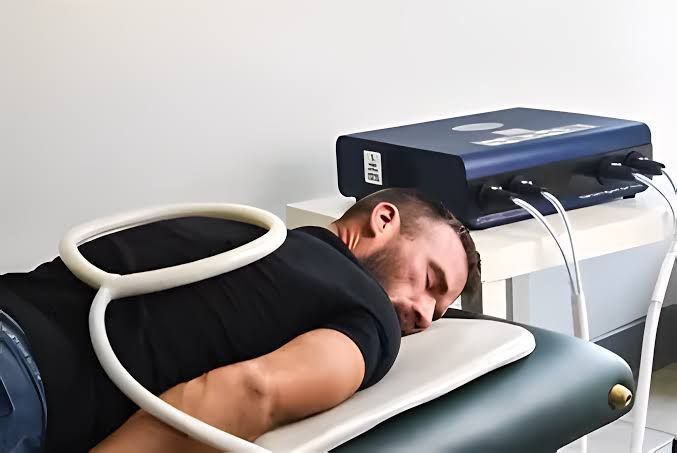
PEMF Therapy
Gentle electromagnetic pulses support circulation, cellular repair, and the body's natural ability to calm inflammation.
Learn More
 Service
IASIS Microcurrent Neurofeedback
A gentle, non-invasive way to help the brain move out of stuck patterns and reorganize itself, with no medication, no downtime, and no effort required on your part.
Learn More
 Service
Nervous System Reset
Neural therapy helps the nervous system shift out of fight-or-flight and back into a state of healing, repair, and recovery.
Learn More
Concussion and TBI Questions
Answers to common questions about head injuries and recovery.
If you have a new head injury, get emergency medical care first, especially if your symptoms are severe or getting worse. Once you have been evaluated, we can help support your recovery.
It can. Even when symptoms are gone, the inflammation set off by a head injury may continue quietly. An evaluation can help us understand where you are now and what may help protect your brain going forward.
Yes. Many people with a concussion have normal scans and still struggle with symptoms. We take your symptoms and history seriously, not just the images.
Yes. We help athletes and active people recover from concussions and other injuries. See our Sports Injuries page to learn more.
Your plan is individual, but it may include PEMF therapy, neurofeedback, Nervous System Reset, targeted nutrients, repair peptides, gut repair, and antioxidants.
Treat It Now, Keep Your Brain Later
If you or someone you love has had one or more concussions at any point in life, we can help you build a plan to protect brain function for years to come. We see patients from all over Utah and across the United States at our offices in Springville and Moab.