


Stem Cells, Muse Cells, and Exosomes in Utah
Umbilical cord derived biologics that carry signals involved in tissue repair, used to support healing in injured and worn tissue.
What Are Stem Cells?
Stem cells are the body's repair cells. They can renew themselves and help guide the healing of damaged tissue.
The stem cells we use are mesenchymal stem cells (MSCs) from donated umbilical cord tissue. Umbilical cords are donated after healthy, full-term births, and donors are screened and tested.
Research suggests mesenchymal stem cells work mainly by sending signals. They release growth factors and other messengers that may help calm inflammation, regulate the immune response, and encourage the body's own cells to repair. Cells from umbilical cord tissue are young and fast-growing, which is one reason they are of so much interest in regenerative medicine. Clinical studies are still early and small.
All of the products we use come from FDA-inspected laboratories.
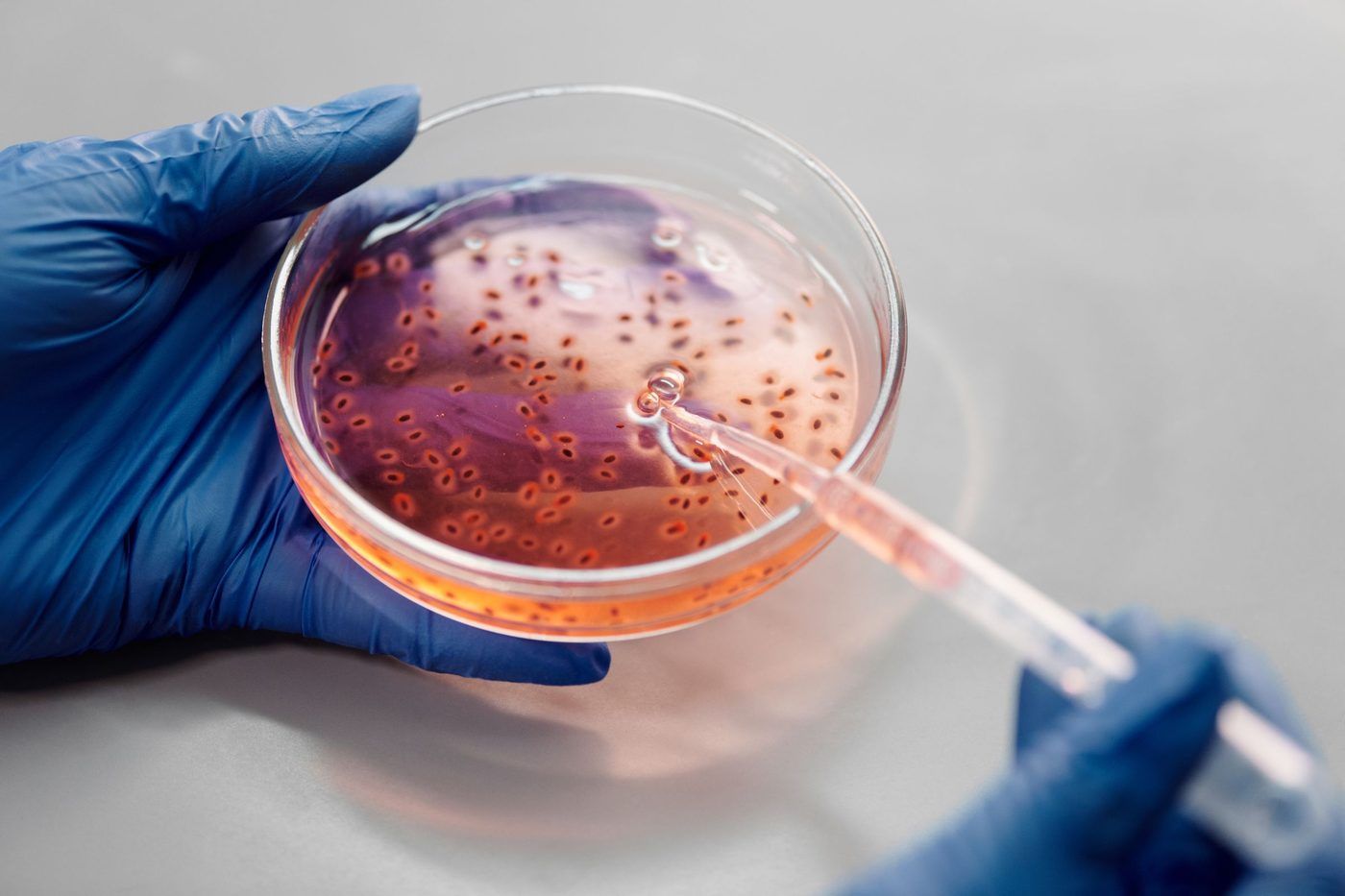
Stem Cells, Muse Cells, and Exosomes
Common Reasons Patients Come In
What to Expect
Stem Cell Questions
They come from umbilical cord tissue donated after healthy, full-term births. Donors are screened and tested, and the tissue is processed in FDA-inspected laboratories. No embryos are involved.
Stem cells are living cells that release healing signals. Exosomes are the tiny message packets those cells release. Exosomes carry many of the same signals, without any cells.
Muse cells are a rare, resilient type of stem cell. In laboratory research, they can develop into many cell types and appear to be drawn toward injured tissue. Human research on them is still early.
No. Stem cell, Muse cell, and exosome products are not FDA-approved to treat any specific disease. We source ours from FDA-inspected laboratories, and we will talk with you openly about what these treatments can and cannot do.
Regenerative treatments support healing, which takes time. Many people notice changes over several weeks to a few months. Results vary from person to person.
Stem cell treatments are not covered by insurance. All of our services are HSA and FSA eligible.
Find Out If Stem Cells Are Right for You
Tell us what is going on, and we will help you find the right next step. We see patients from all over Utah and across the United States at our offices in Springville and Moab.
THIS NOTICE MUST BE PROVIDED TO YOU UNDER UTAH LAW. This health care practitioner performs one or more stem cell therapies that have not yet been approved by the United States Food and Drug Administration. You are encouraged to consult with your primary care provider before undergoing a stem cell therapy.