


Platelet-Rich Plasma (PRP) for Joints in Utah
PRP uses growth factors concentrated from your own blood to support healing in painful joints, tendons, and ligaments.
What Is Platelet-Rich Plasma?
Platelets are best known for helping blood clot, but they also carry growth factors that signal the body to repair damaged tissue.
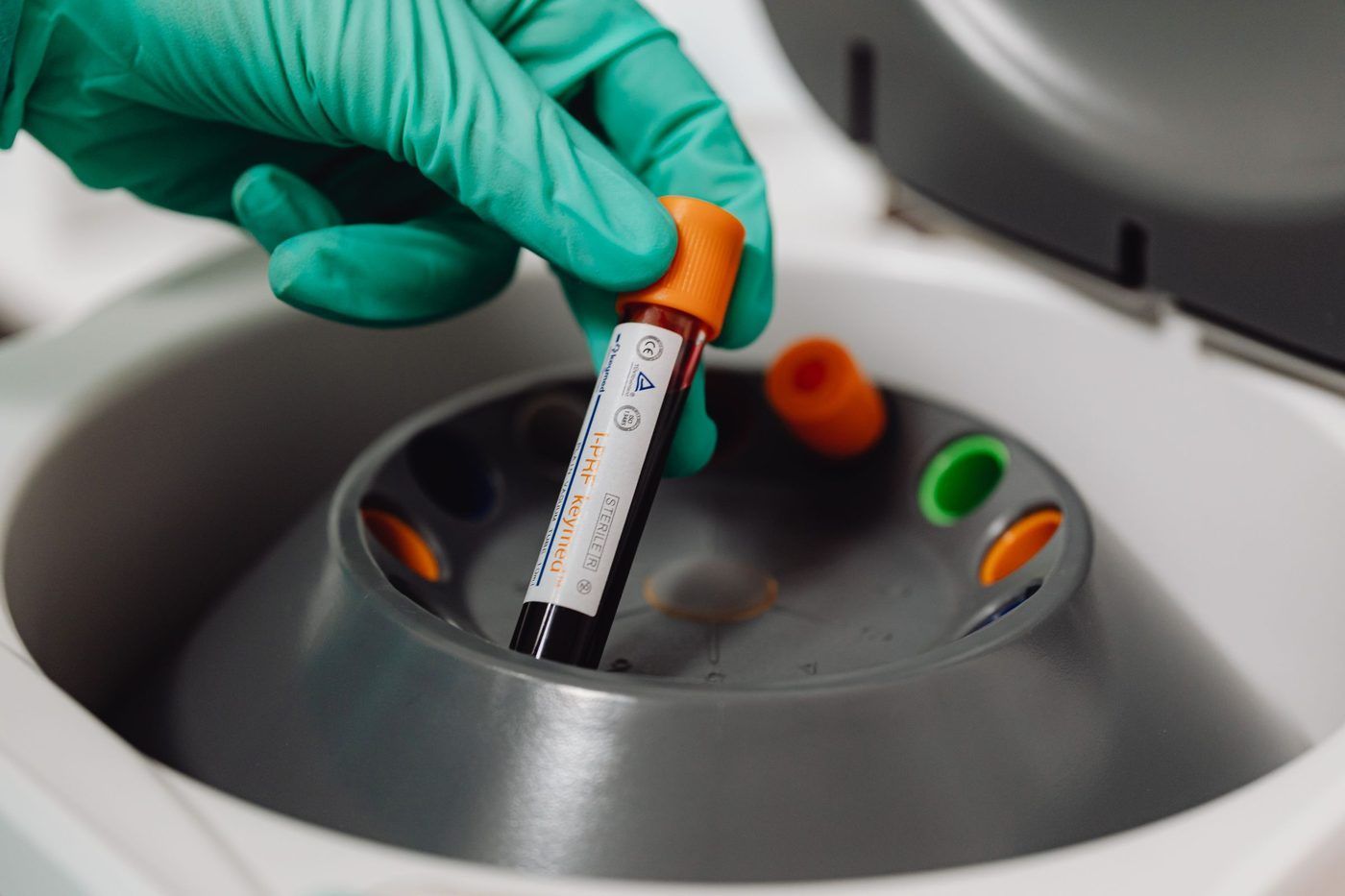
To make PRP, we draw a small amount of your blood and spin it in a centrifuge. This separates the platelets from the red blood cells and concentrates them in a small amount of plasma.
We then place the PRP into the injured joint, tendon, or ligament. The concentrated growth factors are designed to support the repair process your body already has. Because PRP comes from your own blood, there is no foreign material involved.
PRP for Joints and Tendons
PRP has been studied most for knee osteoarthritis and tendon problems. Results vary, and we will talk with you honestly about what to expect for your situation.
What to Expect
The whole visit usually takes about an hour.
PRP as Part of a Complete Plan
PRP often works best alongside other support for healing.
Depending on your needs, we may combine PRP with alpha-2-macroglobulin (A2M), SoftWave therapy, or Prolozone, along with nutrition and hormone support. Explore all of our regenerative medicine options.
Platelet-Rich Plasma Questions
Most people feel pressure and some discomfort during the injection, and soreness for a few days afterward. We do everything we can to keep you comfortable.
Many people need one to three treatments, spaced a few weeks apart. We will tailor the plan to your joint and your goals.
PRP supports healing, which takes time. Many people notice changes over several weeks to a few months. Results vary.
Anti-inflammatory medicines such as ibuprofen may interfere with how platelets work. We will give you clear instructions before your visit. Never stop a prescribed medicine without talking with your prescriber.
PRP is prepared from your own blood using FDA-cleared equipment. Its use in joints and tendons is a common medical practice, and research on it continues to grow.
PRP is usually not covered by insurance. All of our services are HSA and FSA eligible.
Find Out If PRP Is Right for Your Joint
Tell us what is going on, and we will help you find the right next step. We see patients from all over Utah and across the United States at our offices in Springville and Moab.