


Dementia
Memory loss and cognitive decline have causes we can look for. We focus on finding them and supporting the brain at every stage.
Dementia
Ever since Alzheimer’s showed up on the world stage in 1901, yes, this is one of many new diseases, doctors have been reduced to the job of chronicling the demise of everyone afflicted by it. Yes, there are drugs and other measures that are used to manage symptoms such as outbursts, severe depression, insomnia, and other behavioral problems, their benefits are limited and side effects many.
Consequently, many people’s worst fear today is not cancer, heart disease, or even death. It’s dementia. The pharmaceutical industry has poured hundreds of millions of dollars into creating drugs to treat the disease, but to no avail. The few drugs that have shown any promise whatsoever have been a dismal failure when it comes to stopping the progress of Alzheimer’s or any other form of dementia. Expecting these drugs to cause any improvement, even partial reversal, is even more of a pipe dream. Neurologists and primary care doctors do not prescribe these drugs with the hope of making a difference; they know that studies show they make no lasting difference. Rather, these drugs are prescribed so that family members feel the doctor is at least doing something, however ineffective it may be.
This universal failure stems from the fact that Alzheimer’s researchers have focused on the wrong targets. Noting that the hallmarks of Alzheimer’s in the brain include neurofibrillary tangles, tau protein, and beta amyloid protein, scientists have sought to create chemicals that reduce these findings in the brain. Perhaps they failed to recognize that this approach could never solve the dementia problem for the same reason that statin drugs have failed to prevent or cure heart disease: these “bad” proteins, just like cholesterol in the arteries of the heart, are not the cause of the problem. Rather, these proteins are the body’s protective mechanisms, its way of responding to the problem. Moreover, like cholesterol drugs, Alzheimer’s drugs have risks you may not consider acceptable.

Common Signs and Symptoms
Dementia can affect far more than memory. Early changes are often subtle, so it is worth paying attention to what you notice in yourself or a loved one.
Root Causes We Look For
Dementia has many contributing factors, and most people have more than one. We look for them so your plan can address them directly.
Identify the Causes, Support the Repair
Your plan starts with a thorough evaluation, including a detailed history, bioenergetic testing, and lab work, to uncover the triggers that may be affecting your brain.
From there, we build an individualized program. Depending on what we find, it may include bioidentical hormone replacement therapy, targeted nutrients, peptides, IV therapy, detoxification or chelation for toxic burdens, neurofeedback, and PEMF therapy. We also review your medicines for any that may affect memory, and talk with you about sleep, diet, exercise, and stress.
Want to learn more about prevention? Read Is Dementia in Your Future? It Doesn't Have to Be!
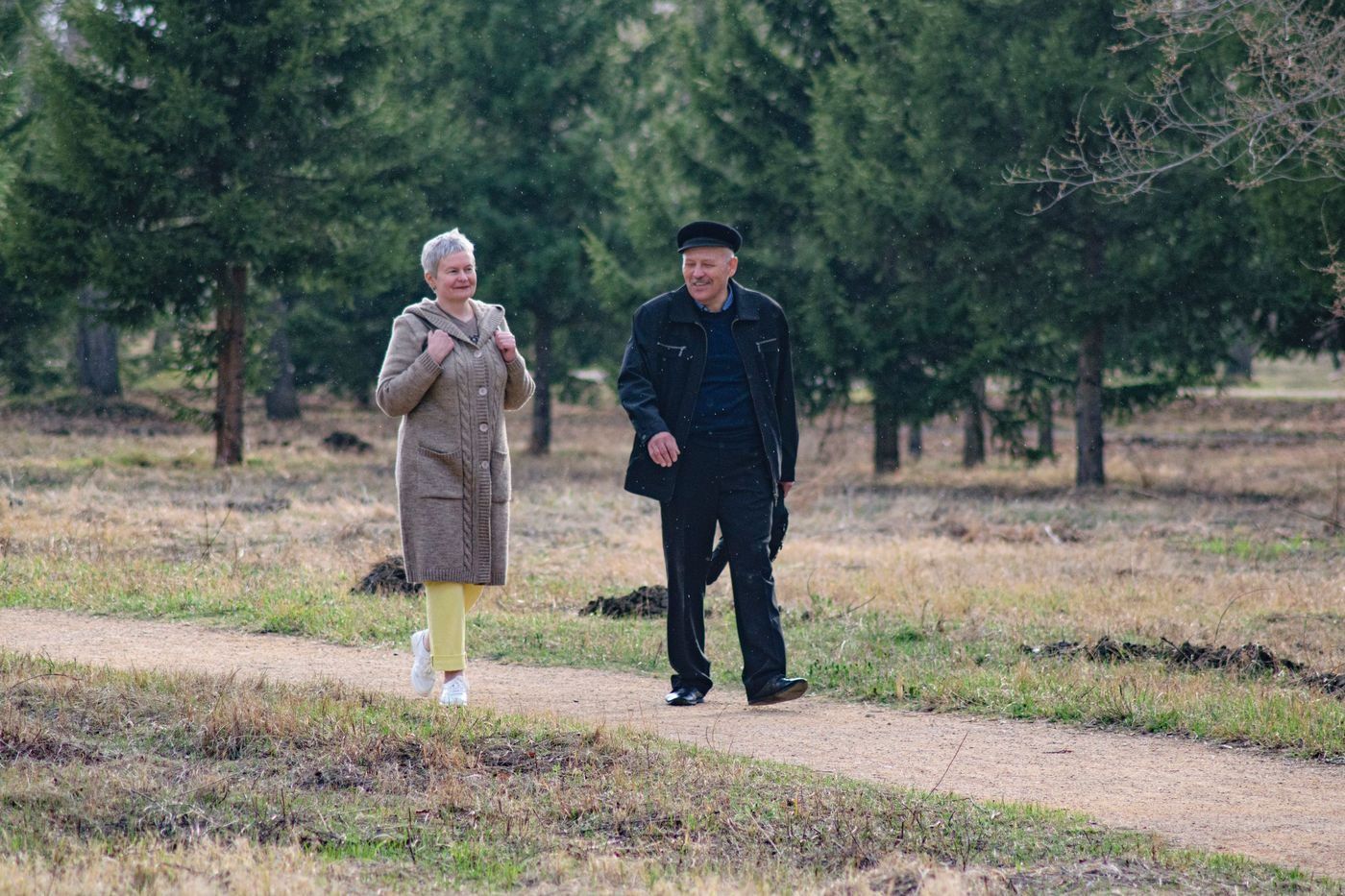
It Is Never Too Early to Protect Your Memory
Changes in the brain can begin long before the first lapse in memory. Finding your triggers now gives you the most room to act.
Support for a Healthier Brain
 Service
IASIS Microcurrent Neurofeedback
A gentle, non-invasive way to help the brain move out of stuck patterns and reorganize itself, with no medication, no downtime, and no effort required on your part.
Learn More
 Service
Bioidentical Hormone Replacement Therapy
Plant-based hormones customized to your needs, to restore the balance that supports energy, mood, memory, and strong bones.
Learn More
 Service
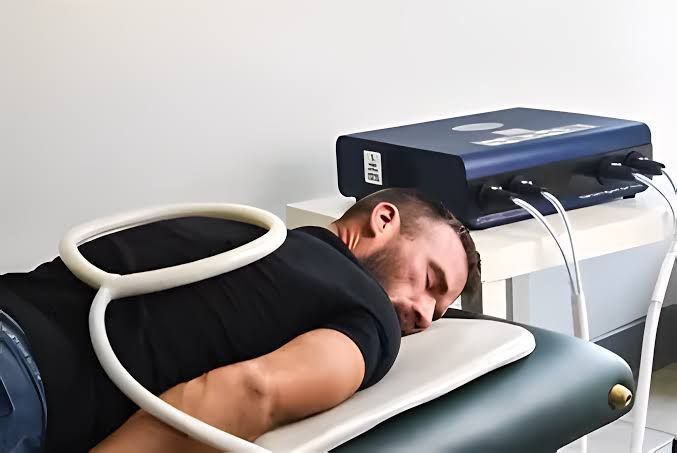
PEMF Therapy
Gentle electromagnetic pulses support circulation, cellular repair, and the body's natural ability to calm inflammation.
Learn More
Your Questions Answered
Find quick answers to the most common questions about Dementia.
Dementia is a condition in which various brain functions become progressively impaired. Common features include memory loss, confusion, and impaired judgment. People can experience depression, anxiety, agitation, paranoia, hallucinations, difficulty finding words, difficulty with familiar tasks (such as operating a stove or turning on a computer), and an inability to plan or solve problems. They commonly get lost walking or driving to familiar places, repeat questions or stories, use unusual words, and have difficulty managing money, grooming themselves, and eventually, even eating or using the toilet. Dementia can also lead to falls, difficulty walking, and poor coordination.
Alzheimer's disease commands the lion's share of public and medical attention because it accounts for 60% to 80% of cases of dementia. But there are others, including vascular ("multi-infarct") dementia, Lewy body dementia, and frontotemporal dementia. Some cases of Parkinson's disease will end up with dementia as well.
At Prestige Wellness Institute, you can take advantage of the same two-pronged approach that has proven successful with so many other diseases: Identify and address the underlying causes while reversing the damage that has already taken place. For decades, scientists believed that neurons could not be repaired or replaced. Now it is being done. This could not happen too soon. By 2050, experts expect the number of Americans with Alzheimer’s disease to at least double, reaching 14 million people. From a business standpoint, this might be welcome news for the nursing home industry, which will have to double its capacity. But our society cannot survive this kind of strain, even if our only concern was cost, ignoring the toll it takes on families.
Fortunately, you now have access to treatments that may keep you or a loved one with dementia at home instead of spending the rest of life staring blankly at the four walls of a nursing home, at a cost of $4,000-6,000 a month. Increasing numbers of people are reversing their dementias.
As groundbreaking as recent developments are, prevention is far better than treatment or even cure. Because dementia often begins up to fifty years (no, that's not a typo) before you forget where you put your keys, why not find out now if you have those changes taking place in your brain? Even better, find out if you have one or more triggers that cause those changes. Doctors routinely check cholesterol as if it was the cause of heart disease and stroke, but few check any of the known causes of dementia. Even fewer know what to do with the results of those tests. This is because we are not taught much in medical school about how to fix things that don’t require drugs. So doctors do the best they can, waiting for and hoping that the next miracle drug on the market will be the magic bullet.
If you want to see if you or a loved one with dementia might just be able to get some brain function back; if you want to find out if nerve cells are dying so you can do something about it before you start asking yourself why you entered a room; or if you want to uncover hidden risks that are causing inflammation in your brain, there is no better time than now to discuss your concerns and options at Prestige Wellness Institute. Modern science has discovered and developed an ever-increasing number of tools that can change your future for the better. There is no need to fear ending up like your mother Carol or your Uncle Bob when there is so much you can do to prevent it.
Take the First Step Toward a Healthier, More Vibrant You
Contact Prestige Wellness Institute today to begin your personalized journey with a trusted functional medicine practitioner.