


POTS: Postural Orthostatic Tachycardia Syndrome
When standing up makes your heart race and your world spin, your nervous system may be asking for help.
Understanding POTS
POTS stands for postural orthostatic tachycardia syndrome. "Postural" and "orthostatic" refer to standing upright, and "tachycardia" means a fast heart rate. In POTS, your heart rate climbs sharply when you stand, and you may feel lightheaded, shaky, or exhausted.
POTS is a form of dysautonomia, which means the autonomic nervous system is not working as it should. This is the part of your nervous system that automatically controls heart rate, blood pressure, circulation, digestion, and temperature.
Normally, when you stand, your body tightens blood vessels and adjusts your heart rate so blood keeps flowing to your brain. In POTS, that adjustment does not happen smoothly. Blood can pool in the legs and belly, and the heart races to make up for it.
POTS often begins after a viral illness, including COVID, or after surgery, pregnancy, an injury, or a period of major stress. It is frequently linked to other conditions, such as autoimmune disease and joint hypermobility.
Common Signs and Symptoms
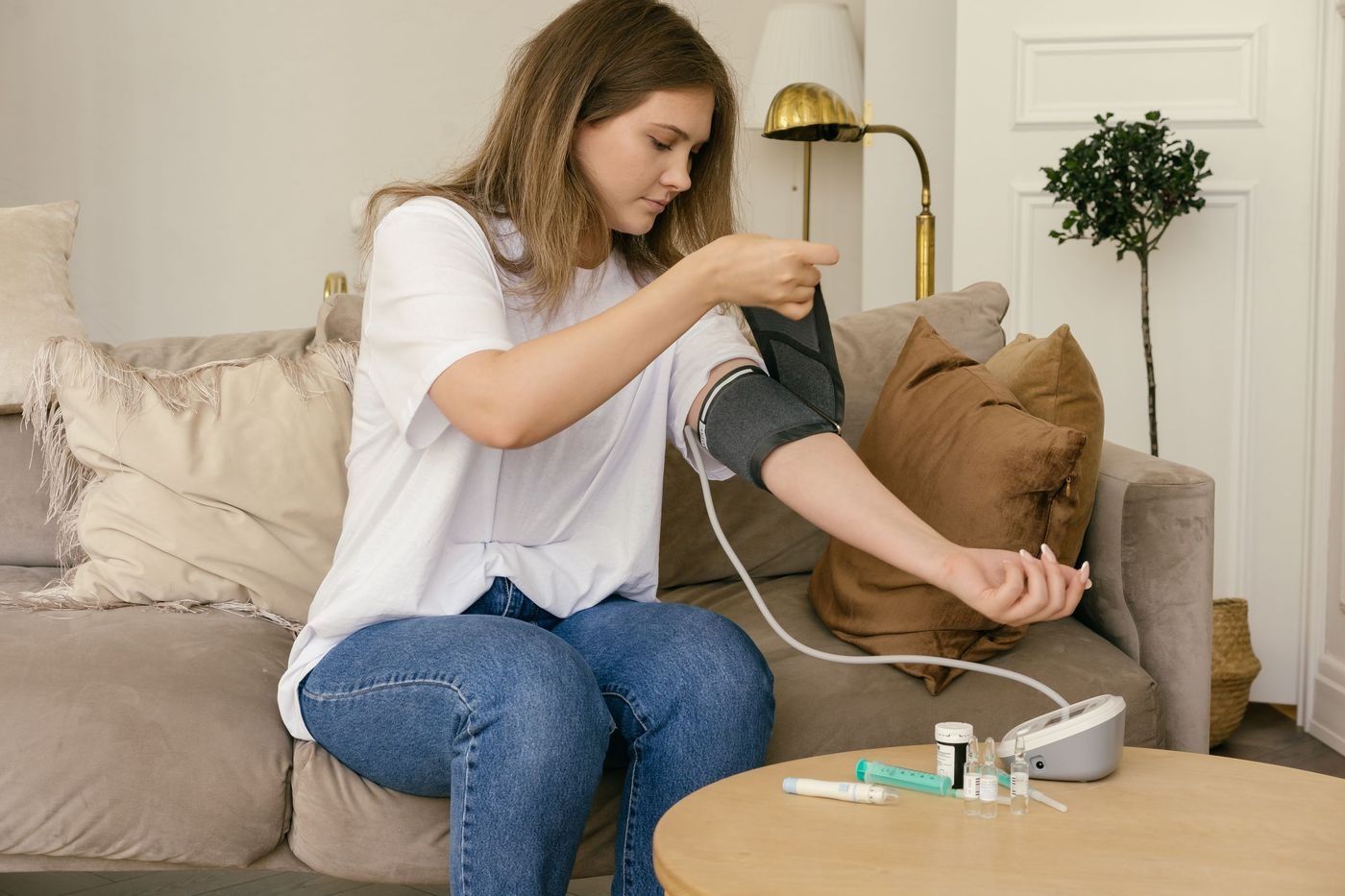
POTS symptoms often get worse when standing and better when lying down. They may include:
Root Causes We Look For
POTS is a description of what is happening, not an explanation of why. We look for what may have pushed your nervous system out of balance.
How We Help
Because POTS is rooted in the nervous system, much of our work focuses on helping your body return to balance. We start with bioenergetic testing, lab work, and an in-depth consultation to understand what set your symptoms in motion.
- Nervous System Reset (neural therapy) to help restore balance to your autonomic nervous system
- IV therapy to support hydration, electrolyte balance, and nutrient levels
- PEMF therapy to support circulation and cellular energy
- Gut repair, nutrition, and targeted supplements
- Support for related problems, such as Long COVID, autoimmune disease, and mold illness
We are happy to work alongside your cardiologist, neurologist, or primary care provider. Please do not change any medication without talking with the provider who prescribed it.

Your Body Wants to Find Its Balance Again
When we address what pushed your nervous system off course, your body has a better chance to steady itself.
Treatments We Use for POTS
Service
Nervous System Reset
Neural therapy that helps your nervous system shift out of survival mode and back into a state of healing and repair.
Learn More
 Service
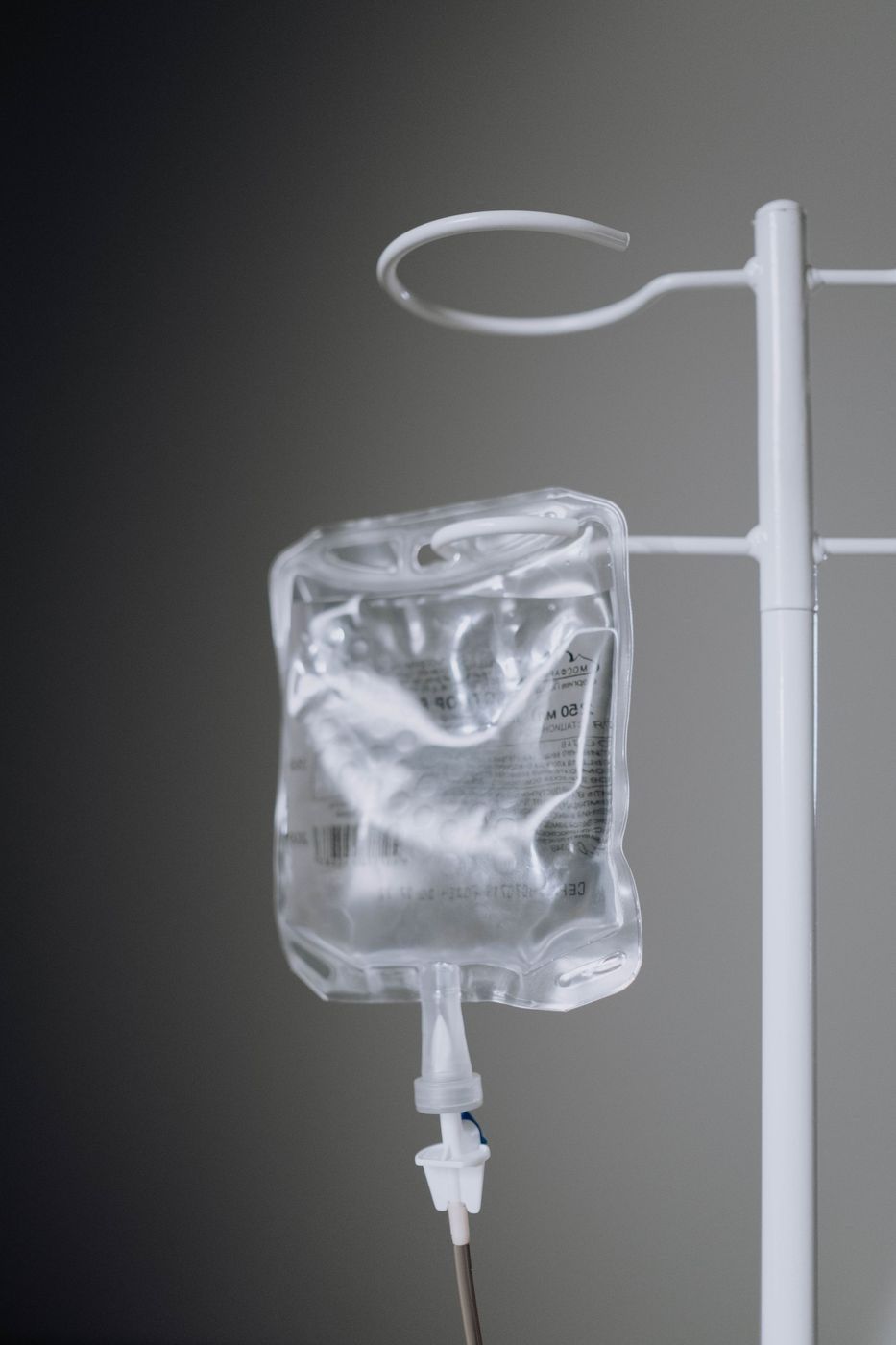
IV Therapy
Nutrients delivered directly into your bloodstream to support energy, hydration, immune function, and recovery.
Learn More
 Service
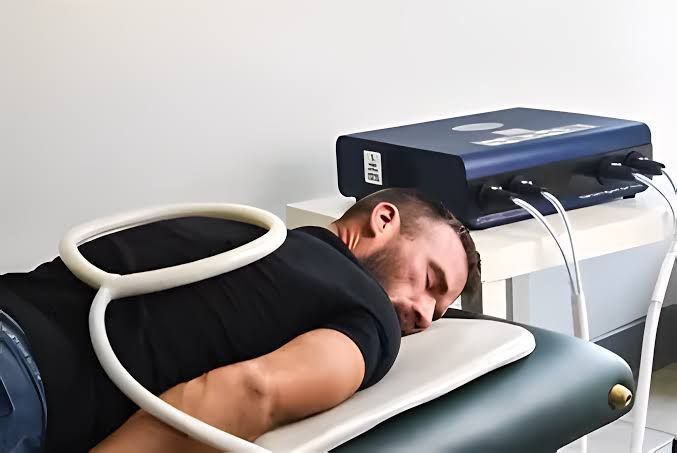
PEMF Therapy
Gentle electromagnetic pulses that may help calm inflammation, improve circulation, and support cellular energy.
Learn More
Frequently Asked Questions About POTS
POTS stands for postural orthostatic tachycardia syndrome. It describes a heart rate that rises sharply when you move from lying down to standing, along with symptoms such as lightheadedness, fatigue, and brain fog.
POTS is usually confirmed by measuring your heart rate and blood pressure while lying down and then standing, or with a tilt table test. Your provider will also look for other causes of your symptoms.
POTS can begin after a viral illness, and many people have developed POTS symptoms after COVID. Learn more on our Long COVID page.
No. POTS involves real changes in how your nervous system controls your heart rate and circulation. Your symptoms are real, and they deserve to be taken seriously.
Yes. We often work alongside other specialists. Our focus is on the underlying factors that may be keeping your nervous system out of balance.
Ready to Get Back on Your Feet?
Tell us what you have been experiencing, and we will help you find the right next step. We see patients from all over Utah and across the United States at our offices in Springville and Moab.