Back to School!
As we approach the end of summer recess, parents, children, educators, and school administrators experience a mix of excitement, sadness, anxiety, anticipation, and fear. Many will lament losing the freedom to recreate, travel, or enjoy late nights. Others, however, will have more serious concerns: Will Josie be able to keep up with her schoolwork? Will Johnny be able to sit still, focus, and learn? Can Max keep from disrupting other students? Will Stephanie be able to make good friends and avoid being bullied? Will Laura panic and freeze when called upon to read out loud?
Children affected by behavior disorders, mental disorders, or neurodevelopmental disorders are often judged by family, friends, or even educators as lazy, undisciplined, disinterested, unmotivated, or uncooperative. This is not to say that such children do not legitimately present serious challenges to their parents and the education system. They do. But when I sit across the table from these kids, they often admit that their brains just don’t seem to want to cooperate with their best intentions.
Parents typically observe that it’s as if an intelligent, kind, good person seems trapped inside their child’s body. They only wish they knew how to unleash the real child within. Teachers, at their wits’ end, often beg parents to get their children evaluated and treated with manmade chemicals to make classroom life manageable and to allow learning to occur.
The drugs are miraculous. Instantly, the child taking amphetamines calms down, behaves, and focuses…for a few hours anyway. Although antidepressants take longer to work, they, too, can be game changers for children with anxiety or depression.
Unfortunately, all drugs come with risks and side effects. And they fail to address why the children’s brains aren’t functioning properly. Video games, smart devices, social media, and television have all been implicated in this crisis. Childhood trauma, neglect, bullying, poverty, and other environmental inputs also contribute significantly to students’ inability to learn, obey rules, be happy, and interact with others in appropriate ways.
But these latter environmental inputs have been present since Americans started attending school. And the influence of modern technology doesn’t explain why some children are obviously different from the time they are toddlers or even infants.
Some authorities have argued that the current epidemic of behavior disorders, autism, ADHD, anxiety, and depression is imaginary. In reality, they say, these problems have always been with us, and are no worse now than a hundred years ago. The difference is that today’s doctors are smarter (and therefore diagnose these conditions more readily), and that society is more aware of these problems. Some parents, understandably defensive about their children, claim their children are normal and that society is the problem because it doesn’t understand their quirkiness.
Any educator who has spent the last thirty years in the classroom knows these arguments are wishful thinking. Patently false. Absurd, even. This is a true epidemic, and it shows no sign of slowing down. The number of children requiring Individualized Education Plans (IEPs) has exploded over the last few decades. And the number of suicides and mass shootings among America’s youth has reached a fever pitch none of us could have imagined before SSRI antidepressants were first approved for use in children in 2003. Logically speaking, we should be seeing a reduction of these tragedies, not an increase. Doctors, educators, and parents would be wise to ask why, with so many resources devoted to mental and behavioral disorders in children, rates are rising and outcomes are worse than ever.
Yes, children with special needs are special. They are deserving of our love, acceptance, and best efforts. But we are not doing them any favors by pretending there is nothing medically wrong, any more than we would be doing someone a favor by pretending everything is normal after she has a stroke. Instead, we do everything in our power to rehabilitate her brain and prevent her from having another stroke.
Life beyond school is important to think about as well. Whereas great strides have been made in accommodating people with a variety of disabilities in society, special needs adults will automatically be excluded from many vocations and find relationships more difficult to navigate and maintain on their own. As one of countless examples that could be cited, would-be commercial pilots cannot even get a license if they take antidepressants, anxiety medicine, sleeping pills, stimulants, and many other drugs. They are also disqualified if they even have a diagnosis of a mental, developmental, or behavioral disorder, even if these are mild or under perfect control.
Forward-thinking parents, educators, and doctors naturally want nothing but the best for today’s youth. Most just don’t know what else to do other than establish a diagnosis so a child can be started on medication and/or an IEP.
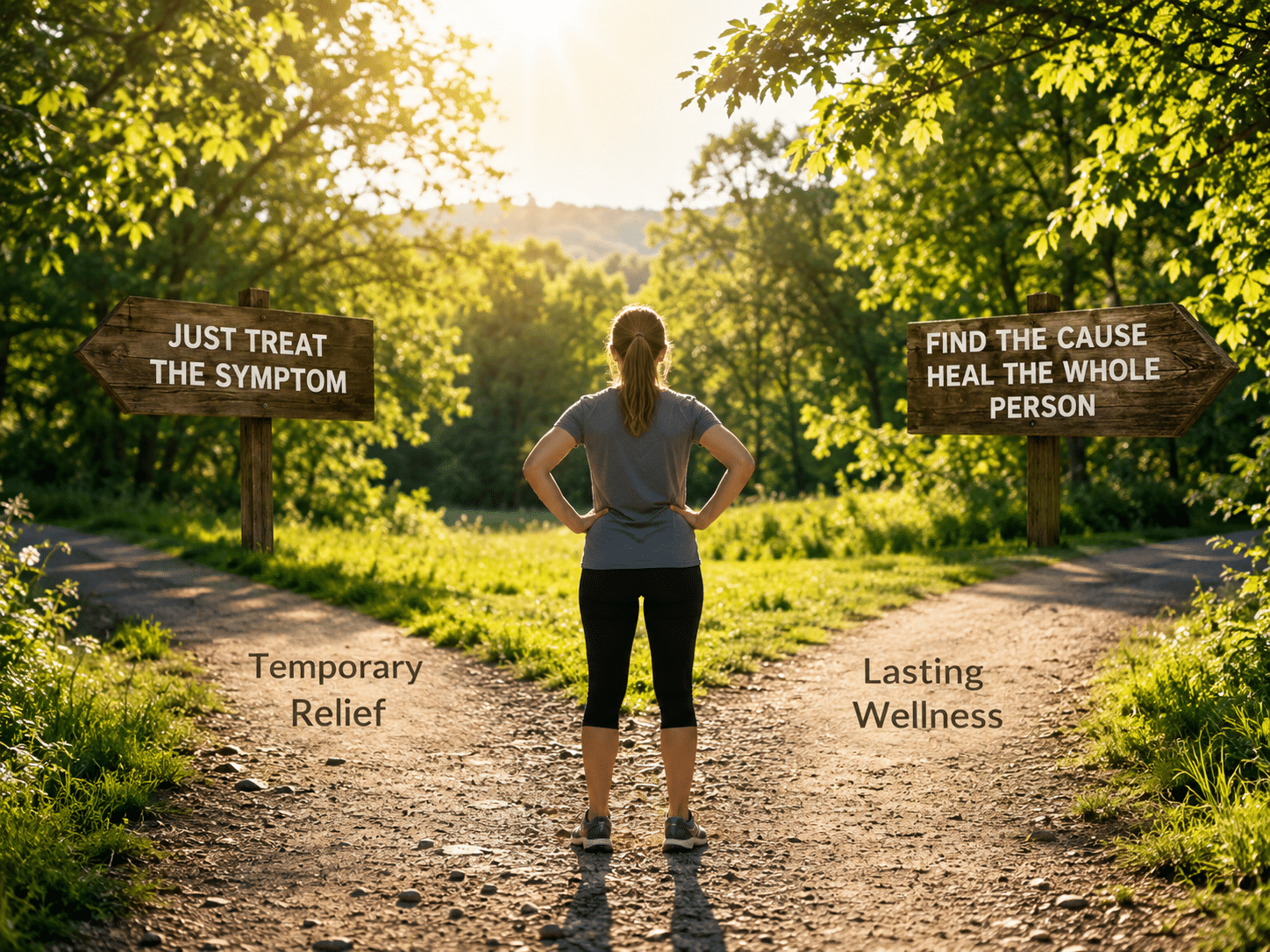
Fortunately, there is an alternative. What if medication was not necessary? What if an IEP wasn’t needed? Then there would be no need for a diagnosis, at least not a traditional one.
In medicine, we are taught to put labels on conditions for a few different reasons. First, the label (diagnosis) tells us what drugs or other interventions we can prescribe. Second, it is required in order for us to bill insurance companies for our work. Third, it provides a framework for research so scientists can investigate and compare different ways of diagnosing and treating the same condition. Finally, labels legitimize an individual’s problems. For example, whereas an ignorant observer might say, “Mark just needs to be strapped to his chair and have his mouth taped shut,” we can instead say, “Mark behaves the way he does because he has ADHD.” Or we can say, “Beth is unmotivated and avoids social interaction because she has major depressive disorder.”
As well-intentioned as this approach may be, it doesn’t tell us what is going on in their brains that prevent them from functioning fully. Nor does it tell us how to fix the problems. These labels only give us license to control their symptoms using chemicals and to lower our expectations for their performance in school and life. Moreover, the chemicals don’t always work and sometimes make the problems worse, as we have seen with too many children treated with antidepressants. In fact, the FDA requires a black box warning on the use of antidepressants in children precisely because they will cause some—depending on the subtype of depression they have—to become suicidal or homicidal.
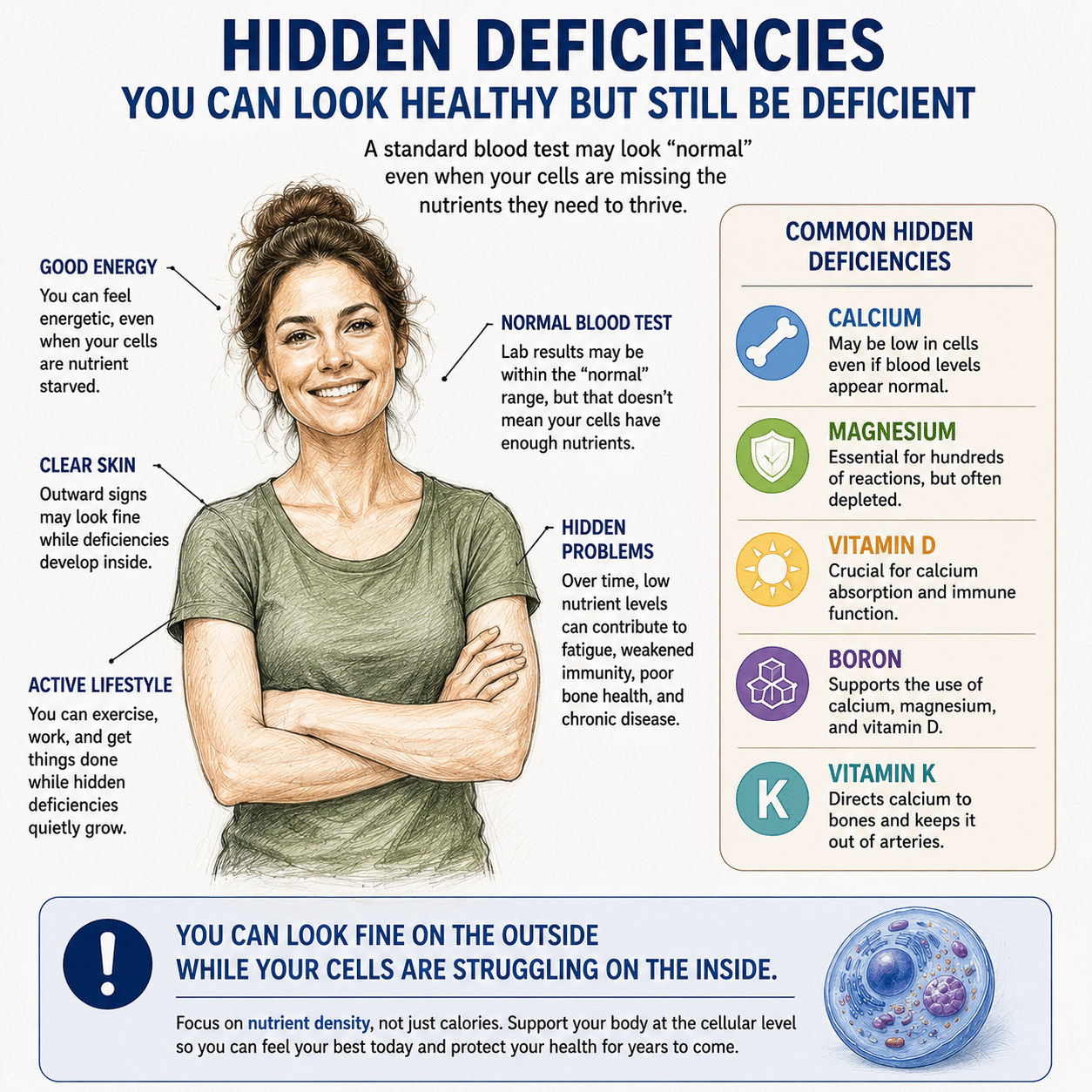
The bottom line is straightforward: To treat mental and behavioral disorders properly, we don’t need to put a psychiatric label on a child. Instead, we need to start by identifying the underlying causes of the malfunctioning brain. These can be biochemical abnormalities, toxins, infections, head trauma, gut dysfunction, metabolic dysfunction, or hormonal disturbances, to name a few. When we fix these problems and provide appropriate counseling, where necessary, a child often needs less medication to function well in school and life, or no medication at all.
We don’t need to find out how many more IEPs Utah’s school systems can handle. Nor do we need to see how many drugs we can pump into our children before sending them off to school in the morning. But we are going to find out if we don’t do something different soon.
If you have ever wondered if there is a better way to help your child reach his or her potential than you have been offered, call Prestige Wellness Institute in Springville or Moab, Utah, at (435) 441-4677. Let’s make this school year the turning point in your child’s life!